
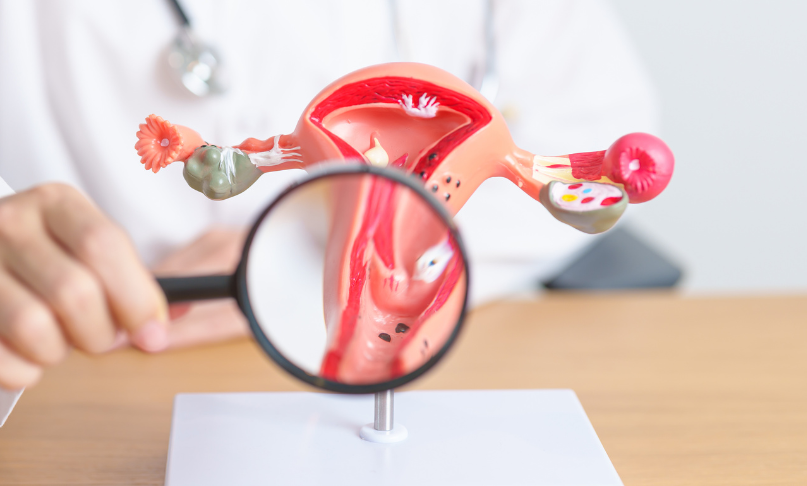
Infertility specialists focus on diagnosing and treating reproductive health challenges to help individuals and couples achieve successful pregnancies. They use advanced medical techniques, including fertility assessments, hormonal treatments, and assisted reproductive technologies (ART), to provide personalized care tailored to each patient’s unique needs.
Infertility treatments include procedures such as ovulation induction, intrauterine insemination (IUI), and in vitro fertilization (IVF). Specialists also offer diagnostic evaluations, including hormone level testing, ultrasound imaging, and genetic screening, to determine the best course of action for fertility enhancement.
Key Benefits of Fertility Treatment
Seeking fertility treatment early improves the chances of conception and allows for timely intervention in addressing underlying reproductive health concerns. Infertility specialists offer a compassionate and evidence-based approach, helping patients navigate their fertility journey with confidence.
- Ovulation Induction
- Intrauterine Insemination (IUI)
- In Vitro Fertilization (IVF)
- Egg Freezing & Preservation
- Reproductive Hormone Therapy
Early consultation with an infertility specialist can help address reproductive health concerns and improve the chances of a successful pregnancy through advanced fertility solutions.
FAQs
Everything You Need to Know About Infertility Treatment
Infertility can be caused by factors such as hormonal imbalances, ovulation disorders, low sperm count, blocked fallopian tubes, endometriosis, or lifestyle factors like stress and diet.
Treatment options include medications to stimulate ovulation, intrauterine insemination (IUI), in-vitro fertilization (IVF), and lifestyle changes. The best treatment depends on the underlying cause.
Success rates vary based on factors like age, underlying conditions, and treatment type. IVF, for example, has a success rate ranging from 30% to 50% per cycle depending on the patient’s health.
If you have been trying to conceive for over a year (or six months if over 35), have irregular cycles, or have a known reproductive health condition, you should consult a fertility specialist.
Yes, high stress levels can impact hormone balance and ovulation, making conception more difficult. Managing stress through lifestyle changes, relaxation techniques, or counseling can be beneficial.
